13 Stylish Kitchen Dining Room Ideas That Turn the Room Into a Beautiful Gathering Space

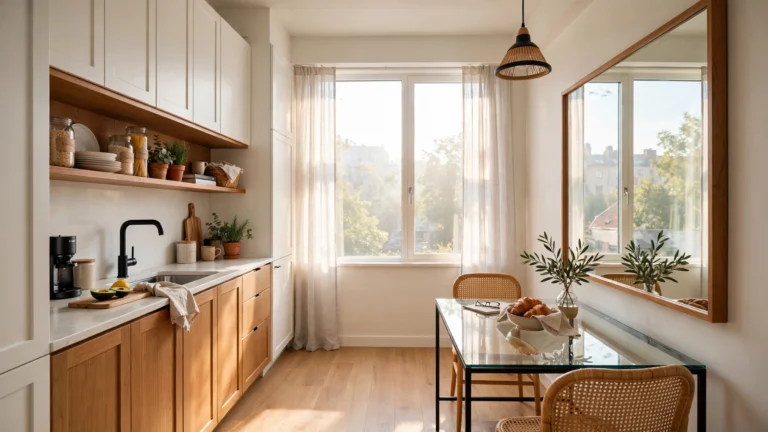
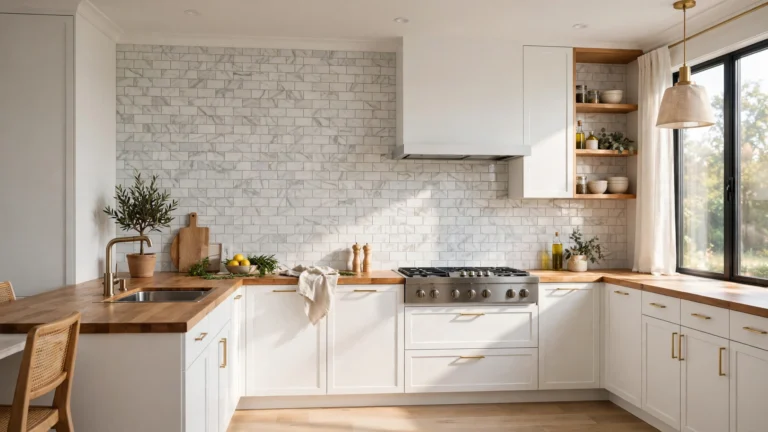
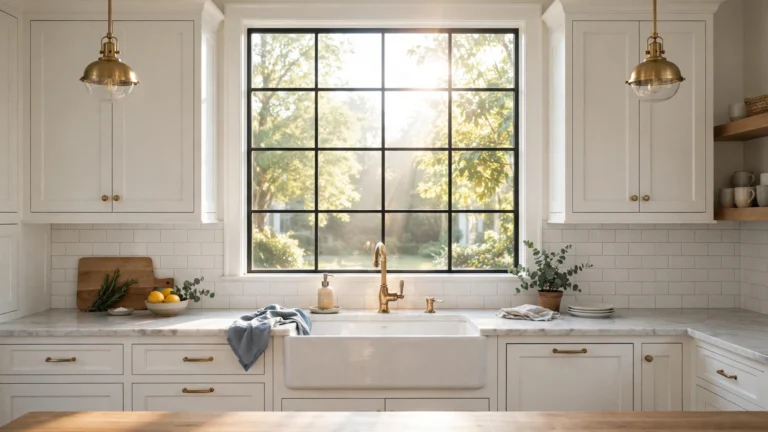
The kitchen dining room is where everyday life quietly turns into the moments people remember: weeknight dinners that stretch into long conversations, birthday candles blown out over the same worn table, and holiday meals where everyone squeezes in a little closer. Yet in so many homes this space ends up as a pass-through — a table, a few mismatched chairs, and lighting that does nothing for the food or the people around it.
The good news is that a gathering-worthy dining space rarely needs a renovation. It needs intention: the right table shape, seating that invites people to linger, warm layered light, and small styling touches that make an ordinary Tuesday dinner feel like an occasion. Ready to turn your kitchen dining room into the spot everyone naturally gravitates toward?
1. Anchor the Table with a Statement Pendant
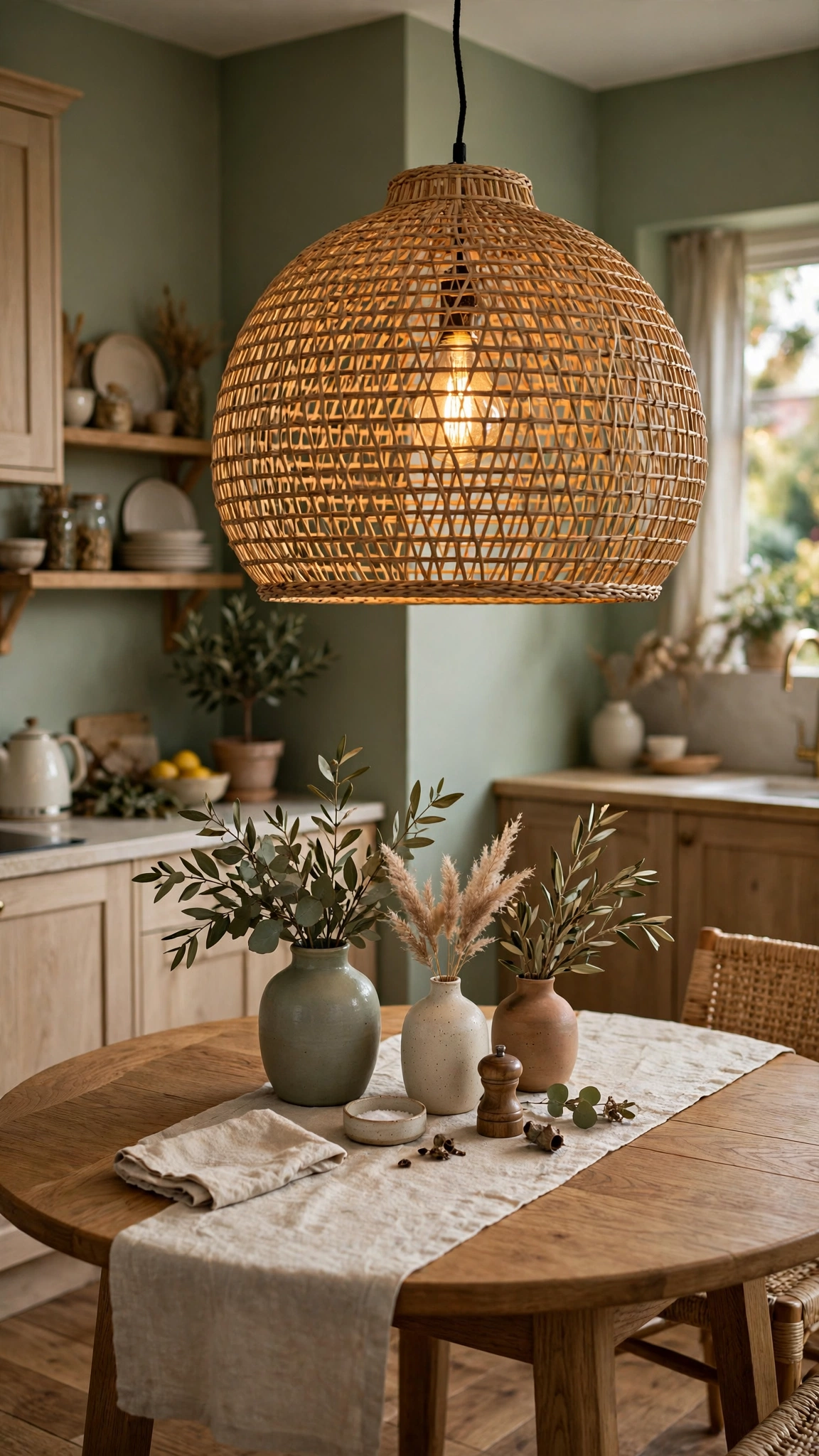
A statement pendant does for a dining room what a chandelier does for a foyer: it declares that this spot matters. Hung low over the table, it creates an invisible ceiling that makes the seating area feel intimate, even in a large open-plan kitchen.
Scale is the secret. Choose a fixture roughly one-half to two-thirds the width of your table, and hang it so the bottom sits about 75–90 cm above the tabletop — low enough to glow on faces and food, high enough not to block views across the table.
Woven rattan and linen shades soften the light beautifully, while black metal or brass adds a designer edge. Most pendants cost between $80 and $400, and swapping one is usually a one-hour job on an existing ceiling hook or canopy.
Tip: Put the pendant on a dimmer so the same fixture can shift from bright homework light to dinner-party glow, the same trick used in these trendy aesthetic room ideas where one statement piece carries the whole look.
2. Choose a Table That Fits the Crowd

The most gathering-friendly table is the one nobody has to squeeze around. An extendable table lives small for daily meals and opens up for guests, while a round table is the social champion — no head of the table, easy conversation in every direction.
Aim for about 60 cm of table edge per person and at least 90 cm of clearance behind chairs so guests can slide out without a shuffle. If your room is narrow, an oval table keeps the round-table sociability while fitting the footprint better.
Solid wood and wood-veneer tables in the $300–$900 range will handle years of hot dishes and homework. Choose a finish that hides crumbs and water rings — a matte, lightly distressed surface is far more forgiving than a glossy one.
Tip: Measure your room and tape the table’s footprint on the floor before buying; for more space-sharing inspiration, see these smart shared space ideas that make every seat feel intentional.
3. Mix Seating Styles for a Collected Look
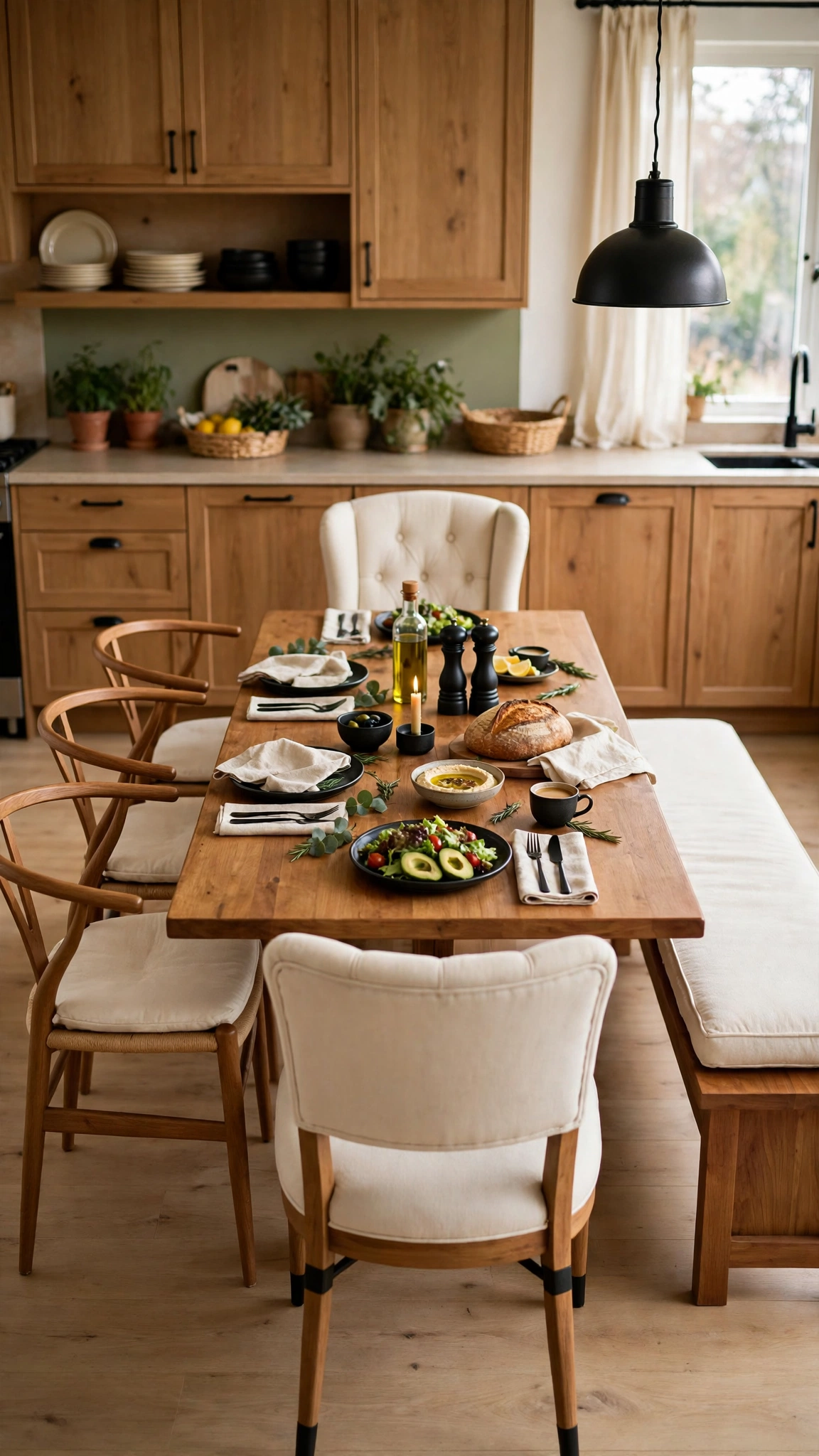
A matched dining set can feel like a showroom; mixed seating feels like a home that grew over time. Try upholstered host chairs at the ends, simple wooden chairs along the sides, and a bench where kids or extra friends can pile in.
Keep one thread running through the mix — the same wood tone, the same black finish, or seat heights that line up — so it reads as curated rather than chaotic. Seat height matters more than style: most dining chairs sit around 45 cm, and keeping them close keeps everyone level at the table.
Benches are the budget hero here, often $120–$250, and they tuck fully under the table when not in use. Thrifted chairs in odd numbers are an even cheaper route; a coat of paint unifies them instantly.
Tip: Prioritise comfort and function over perfect matching — the same principle behind these cool and functional space ideas, where every piece earns its place.
4. Layer a Rug Under the Table
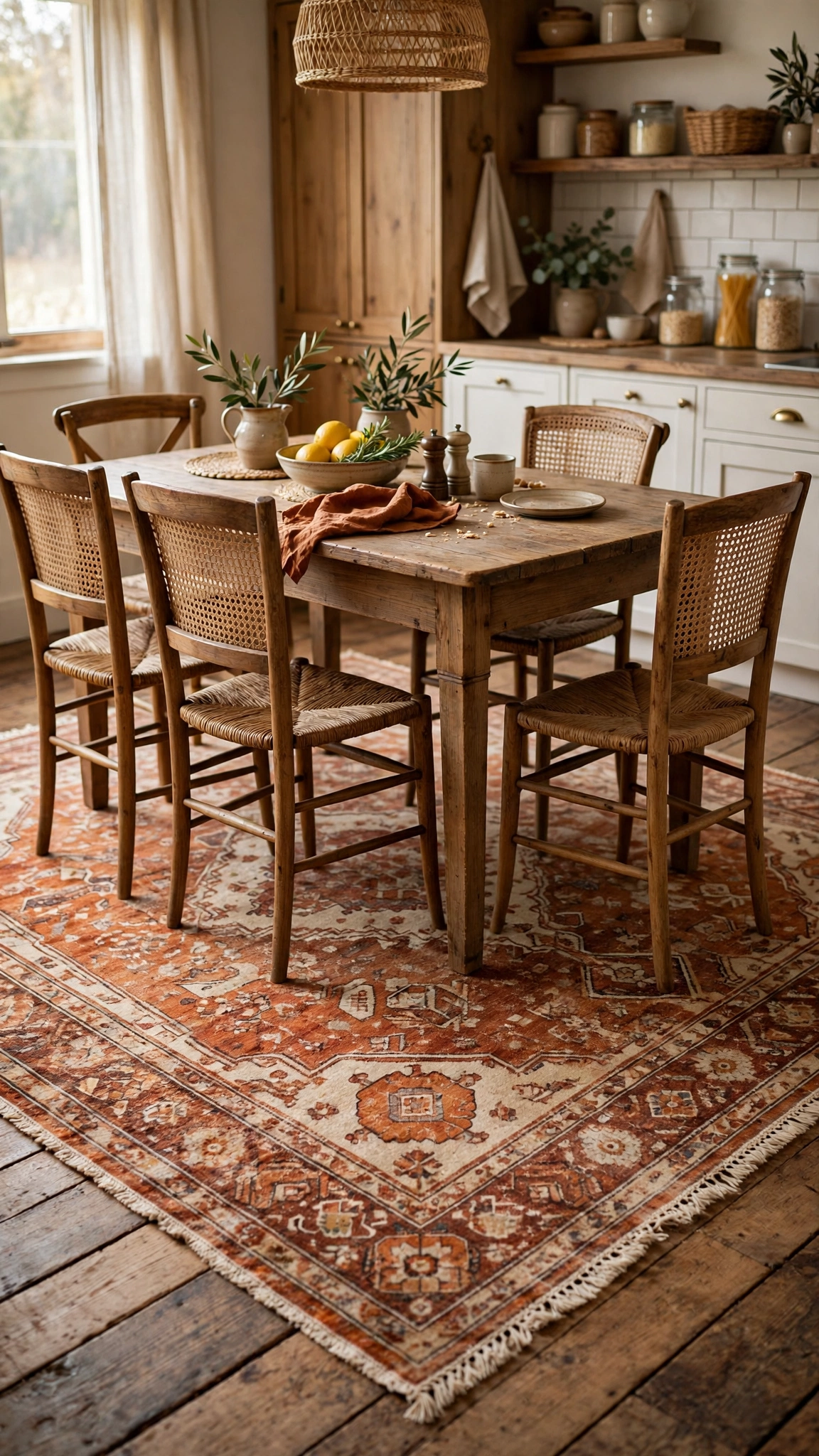
A rug is the fastest way to tell the eye — and the ear — that the dining zone is its own room within the kitchen. It softens chair noise, warms the floor underfoot, and gives the table a visual foundation.
Size up generously: the rug should extend at least 60 cm beyond the table on all sides so chairs stay on it when pulled out. Flatweave and low-pile rugs in wool blends or washable synthetics handle crumbs and spills without drama.
Vintage-look patterns in rust, indigo, or faded Persian styles hide a multitude of dinner sins and pair beautifully with plain wood tables. Expect $150–$450 for a good 160×230 cm rug, less for washable flatweaves.
Tip: Anchor the rug’s palette to your flooring so the layers feel deliberate — these cozy rustic kitchen flooring ideas show how warm floor tones set up the whole room.
5. Warm Up the Walls with Colour and Texture

Bare walls make a dining space feel temporary. A coat of deep olive, warm clay, or inky blue on one wall instantly adds the cocooning feel that keeps people at the table longer, and paint is still the cheapest transformation there is — usually under $60 a wall.
Picture-frame moulding or simple applied trim adds architecture without carpentry skills; the strips cost a few dollars each and go up with adhesive and a mitre box. Limewash and Roman clay finishes add soft movement that looks especially good in candlelight.
Finish the wall with something to look at: a pair of oversized framed prints, a vintage mirror that doubles the pendant’s glow, or a plate wall built from thrifted ceramics.
Tip: Treat the dining wall like a gallery and plan the layout on the floor first — these gorgeous wall decor ideas are full of transferable tricks for transforming blank walls.
6. Build In a Banquette for Cosy Corner Seating
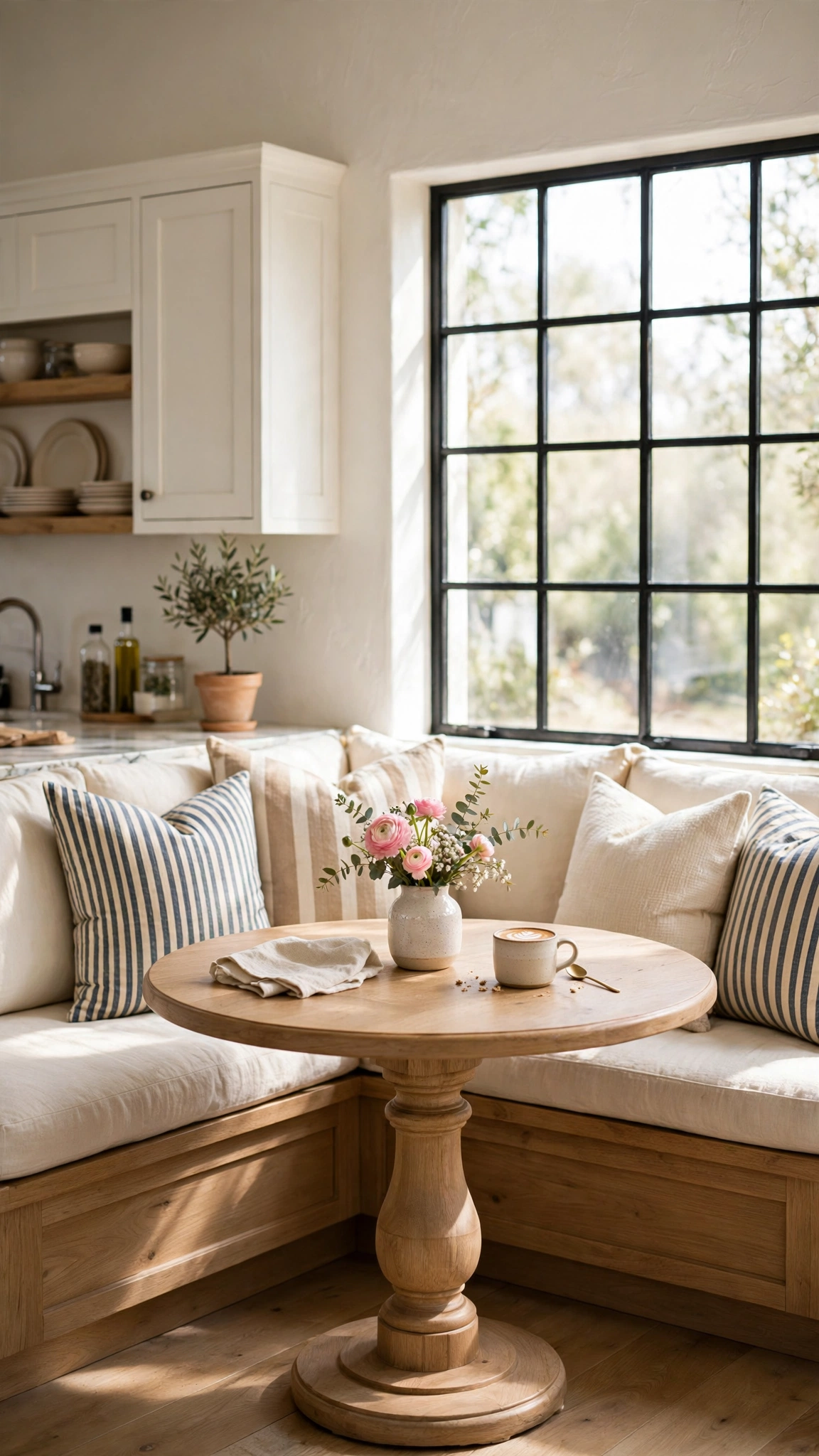
A banquette turns an awkward corner or a bay window into the most fought-over seat in the house. Bench seating hugs the wall, so it fits where chairs can’t, and kids treat it like a sofa that happens to have a table.
Ready-made storage benches and IKEA-hack built-ins keep this affordable — $200–$600 with cushions — and the hinged seat hides board games, table linens, or the good candles. Pair it with a pedestal table so nobody has to climb over table legs.
Cushions in washable linen or outdoor fabric keep it practical. A seat depth of about 45–50 cm with a supportive back cushion is the comfort sweet spot for long dinners.
Tip: Banquettes shine in tight rooms because they reclaim dead wall space, the same thinking behind these genius small space ideas for maximising every inch.
7. Style a Centrepiece That Changes with the Seasons

A good centrepiece makes the table look gathered-around even on a plain Wednesday. Keep it low — under about 30 cm — so conversation flows over it, and corral it on a tray or board so the whole arrangement lifts away when you need the full table.
Build a base you love once: a wooden tray, two candlesticks, and a ceramic bowl. Then rotate the contents with the seasons — lemons and herbs in spring, tomatoes and sunflowers in summer, pinecones and amber glass in autumn, evergreen clippings in winter.
Most seasonal swaps cost under $20 using garden clippings, fruit, and things you already own. The trick is restraint: three types of object, repeated, reads as designed; ten random items reads as clutter.
Tip: Let the centrepiece reflect your household’s personality rather than a catalogue — these creative decor ideas for a personalised space show how small styled moments do the heavy lifting.
8. Add a Serving Station or Bar Cart

Nothing kills a dinner’s rhythm like the host jumping up twelve times. A slim console, sideboard, or rolling bar cart beside the table holds water, spare plates, serving spoons, and dessert — everything within arm’s reach.
It also quietly solves the storage problem: platters, linens, and the good glassware finally get a home that isn’t the top kitchen cabinet. Look for pieces 80–120 cm long and no deeper than 40 cm so they hug the wall.
Bar carts start around $90, and vintage sideboards are thrift-store staples. Style the top simply — a stack of plates, a pitcher, one plant — and keep the lower shelf for the working clutter.
Tip: Think of the station as overflow storage first and decor second; for clever placement inspiration, browse these clever storage solutions that squeeze function out of small footprints.
9. Soften the Space with Curtains and Textiles

Kitchen dining rooms are full of hard surfaces — stone, wood, glass, metal — and sound bounces around all of them. Curtains, cushions, and a tablecloth absorb noise and light alike, turning a cafeteria echo into a restaurant hush.
Hang curtains high and wide so they frame the window without eating the glass, and let them just kiss the floor. Natural linen and cotton in warm whites, stripes, or small checks suit nearly every kitchen style and wash easily.
Seat cushions in a coordinating fabric make wooden chairs dinner-party comfortable for a few dollars each. A full textile refresh — curtains, cushions, one tablecloth — typically lands between $100 and $300.
Tip: Keep the palette calm and the textures varied; these cozy room ideas with simple decor prove how much warmth a few soft layers add.
10. Ground It with Beautiful Flooring

Flooring is the largest surface in the room, and in a kitchen dining space it sets the temperature of everything above it. Warm wood tones — real, engineered, or convincing vinyl plank — make the dining zone feel like a room, not a workspace.
If a full floor change isn’t on the cards, peel-and-stick planks and large washable rugs can fake the look for a season or a rental. Continuity helps most: one floor finish running from kitchen into dining area makes the whole space feel bigger and calmer.
Budget vinyl plank installations often come in at a few dollars per square foot in materials, and many confident DIYers finish a dining zone in a weekend. Choose a matte finish; shine reads as kitchen-commercial.
Tip: You don’t need a huge budget to get the high-end look underfoot — start with these ways to make kitchen floors look expensive without overspending.
11. Open Up the Layout for Easy Flow

A gathering space works when people can move: from kitchen to table with a hot dish, from table to sofa with a coffee. If guests have to sidestep furniture, the room will always feel smaller than it is.
Keep main walkways at least 90 cm wide, push the table off-centre toward a wall or window if the room demands it, and let one consistent floor and colour palette stitch the zones together. In open-plan homes, aligning the dining table with the island creates a natural serving runway.
Sometimes the fix is subtraction: removing one oversized piece — a bulky hutch, a second cart — does more for flow than anything you could buy. Live with the emptier layout for a week before replacing anything.
Tip: Seamlessness is the goal in open layouts; these elegant kitchen flooring ideas for open plan homes show how one continuous finish pulls the zones together.
12. Set the Mood with Layered, Dimmable Light
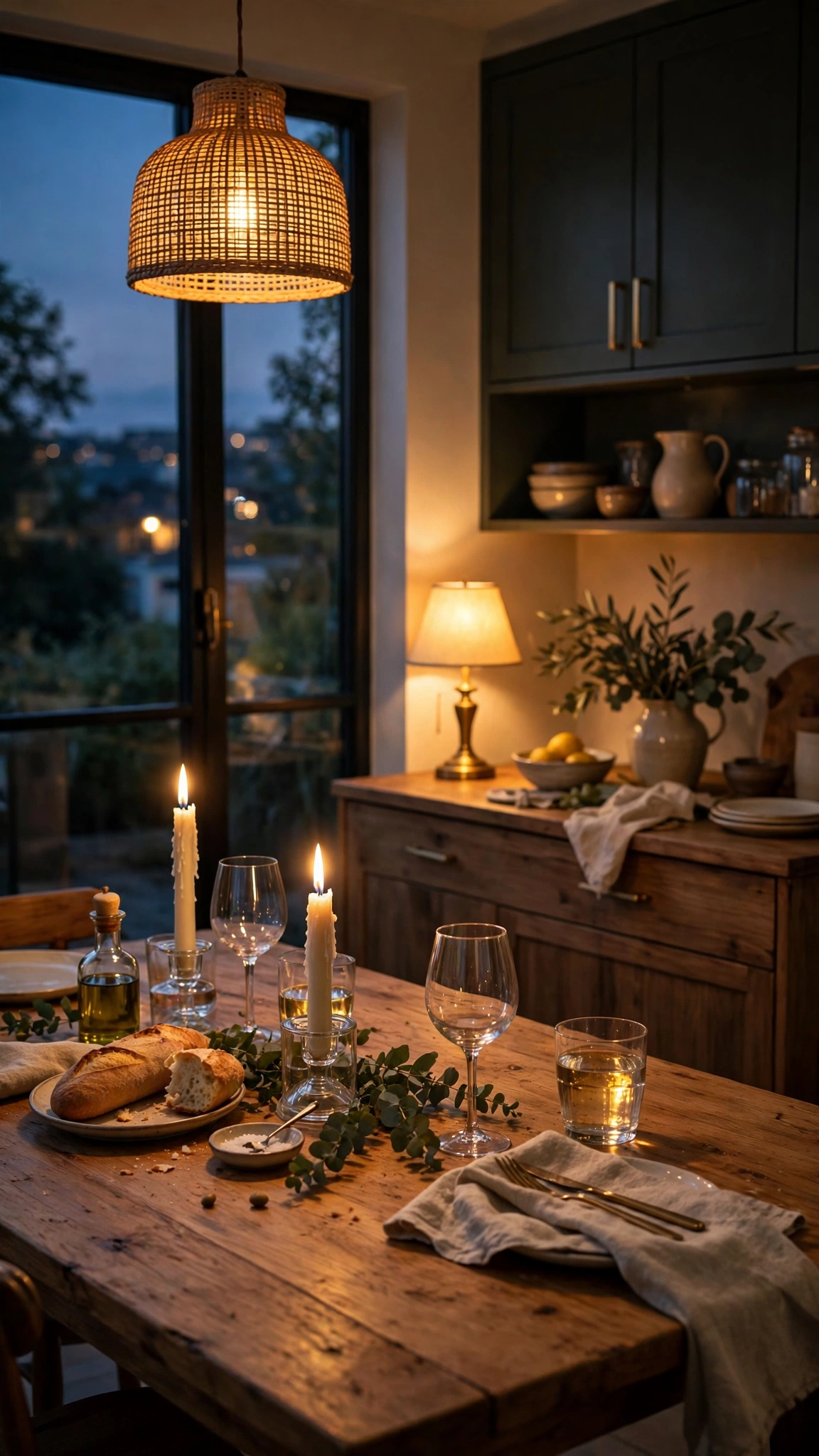
Overhead-only lighting is why so many dining rooms feel like cafeterias. Layer three sources instead: the pendant over the table, a small lamp or sconces at the room’s edges, and candlelight down the middle of the table.
Warm bulbs — 2700K or lower — flatter food and faces. Dimmers on the main fixtures let one room do bright breakfasts and low, golden dinners; plug-in dimmers for lamps cost about $15 and need no wiring.
Candles are the cheapest atmosphere there is: a row of tapers or tea lights in glass holders costs a few dollars and instantly signals that dinner is an occasion, even if it’s just pasta.
Tip: Build the glow gradually and keep every source warm-toned, the same approach used in these cozy ideas for a warm and relaxing retreat.
13. Finish with Personal Touches and Art

Designer dining rooms are beautiful; beloved ones have stories. A shelf of cookbooks you actually use, framed family photos, a child’s drawing in a proper frame, the serving bowl from a favourite trip — these are what make guests feel they’re in your home, not a rental.
Group personal pieces rather than scattering them: one gallery wall, one styled shelf, one meaningful object on the sideboard. Mixed frames in two or three finishes keep a gallery wall cohesive without being matchy.
Art doesn’t need to be expensive — vintage food prints, menu cards from memorable meals, and botanical pages from old books all frame beautifully for a few dollars each. Rotate pieces seasonally alongside the centrepiece for a room that keeps evolving.
Tip: Let the room tell your story the way these ideas for decorating a room that reflects your personality do — personal always beats perfect.
Conclusion
A beautiful gathering space isn’t about square footage or a designer budget — it’s about a table that fits your people, light that flatters them, and small, thoughtful layers that say stay a little longer. Pick two or three ideas from this list, start with the pendant and the rug, and watch how quickly the kitchen dining room becomes the heart of the house again.